Korean Bibimbap
Highlighted under: Everyday World Food Favorites
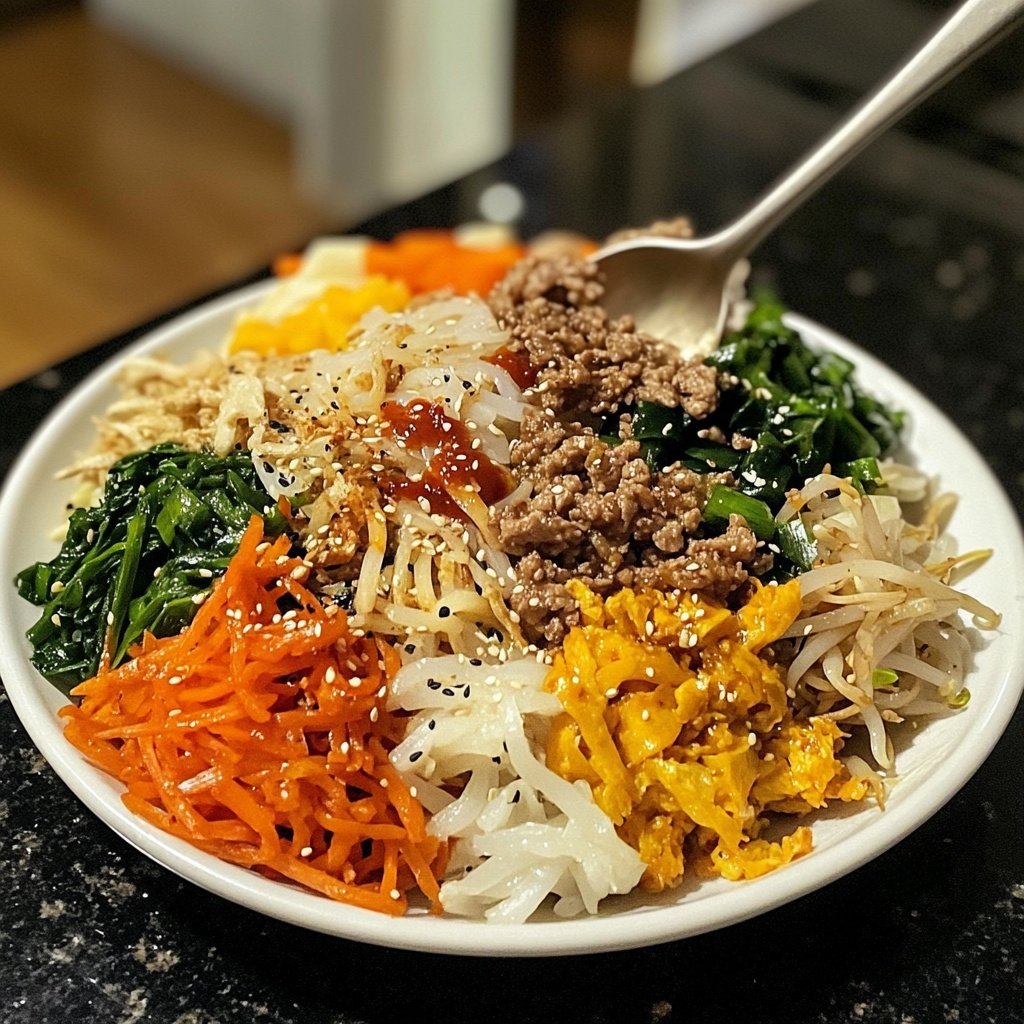
Korean Bibimbap is a vibrant and nutritious dish that combines rice, vegetables, and meat, all topped with a fried egg and spicy gochujang sauce.
Korean Bibimbap is not just a meal; it's a colorful representation of Korean culture. Originating from the Korean tradition of mixing rice and vegetables, it has evolved into a beloved dish that showcases the harmony of flavors and textures.
Why You Will Love This Recipe
- A delightful mix of textures and flavors
- Customizable with your favorite vegetables and proteins
- Healthy and satisfying meal for any time of day
The Nutritional Benefits of Bibimbap
Korean Bibimbap is not only a feast for the eyes but also a powerhouse of nutrition. Packed with a variety of vegetables, this dish provides essential vitamins and minerals that contribute to overall health. Spinach, for instance, is rich in iron and antioxidants, while carrots offer a good source of beta-carotene, which is vital for eye health. By incorporating a rainbow of vegetables, Bibimbap ensures that you're getting a balanced intake of nutrients with every bite.
The base of Bibimbap, rice, serves as a great source of carbohydrates, providing the energy needed for your day. Opting for brown rice can enhance the fiber content, making it more filling and beneficial for digestive health. When you add lean proteins like ground beef or chicken, you not only boost the dish's protein content but also create a satisfying meal that keeps you feeling full longer.
Customization Options
One of the best aspects of Korean Bibimbap is its versatility. Feel free to mix and match your favorite vegetables to suit your taste preferences or seasonal availability. For a spicy kick, consider adding kimchi or sliced jalapeños. If you're looking for a vegetarian option, you can simply omit the meat and include more vegetables or even tofu for added protein. This customization makes Bibimbap a fantastic choice for a variety of dietary needs and culinary preferences.
In addition to vegetables, you can experiment with different proteins. Grilled chicken, shrimp, or marinated tofu are excellent alternatives that can enhance the flavor profile of your Bibimbap. You can even switch up the sauces; while gochujang is traditional, a sesame soy sauce or a spicy peanut sauce can add a unique twist to this classic dish.
Perfect Pairings and Serving Suggestions
To elevate your Korean Bibimbap experience, consider pairing it with traditional side dishes known as banchan. These can include pickled vegetables, seaweed salad, or even a light soup. Not only do these accompaniments add variety to your meal, but they also enhance the overall flavor experience. The contrast of textures and flavors will make your Bibimbap even more enjoyable.
For a complete meal, serve Bibimbap with a refreshing beverage. Traditional options like barley tea or soju complement the flavors beautifully. If you're looking for a non-alcoholic option, a chilled cucumber or lemon-infused water can also provide a refreshing balance to the meal. These pairings not only round out your dining experience but also help cleanse the palate between bites.
Ingredients
For the Bibimbap
- 2 cups cooked rice
- 1 cup spinach, blanched
- 1 cup bean sprouts, blanched
- 1 carrot, julienned
- 1 zucchini, julienned
- 1 cup shiitake mushrooms, sliced
- 4 eggs
- 4 tablespoons gochujang (Korean chili paste)
- 1 tablespoon sesame oil
- Salt to taste
- Sesame seeds for garnish
For the Meat (optional)
- 200g ground beef or chicken
- 2 tablespoons soy sauce
- 1 tablespoon sugar
- 1 teaspoon garlic, minced
- 1 teaspoon sesame oil
Instructions
Cooking Instructions
Prepare the Meat (if using)
In a pan, heat sesame oil over medium heat. Add minced garlic and sauté until fragrant. Add the ground meat, soy sauce, and sugar. Cook until the meat is browned and cooked through. Set aside.
Sauté the Vegetables
In the same pan, add a little more sesame oil if needed. Sauté the zucchini, carrot, and shiitake mushrooms separately until tender. Season with salt. Set each vegetable aside.
Fry the Eggs
In a separate pan, fry the eggs sunny side up until the whites are set but the yolks are still runny.
Assemble the Bibimbap
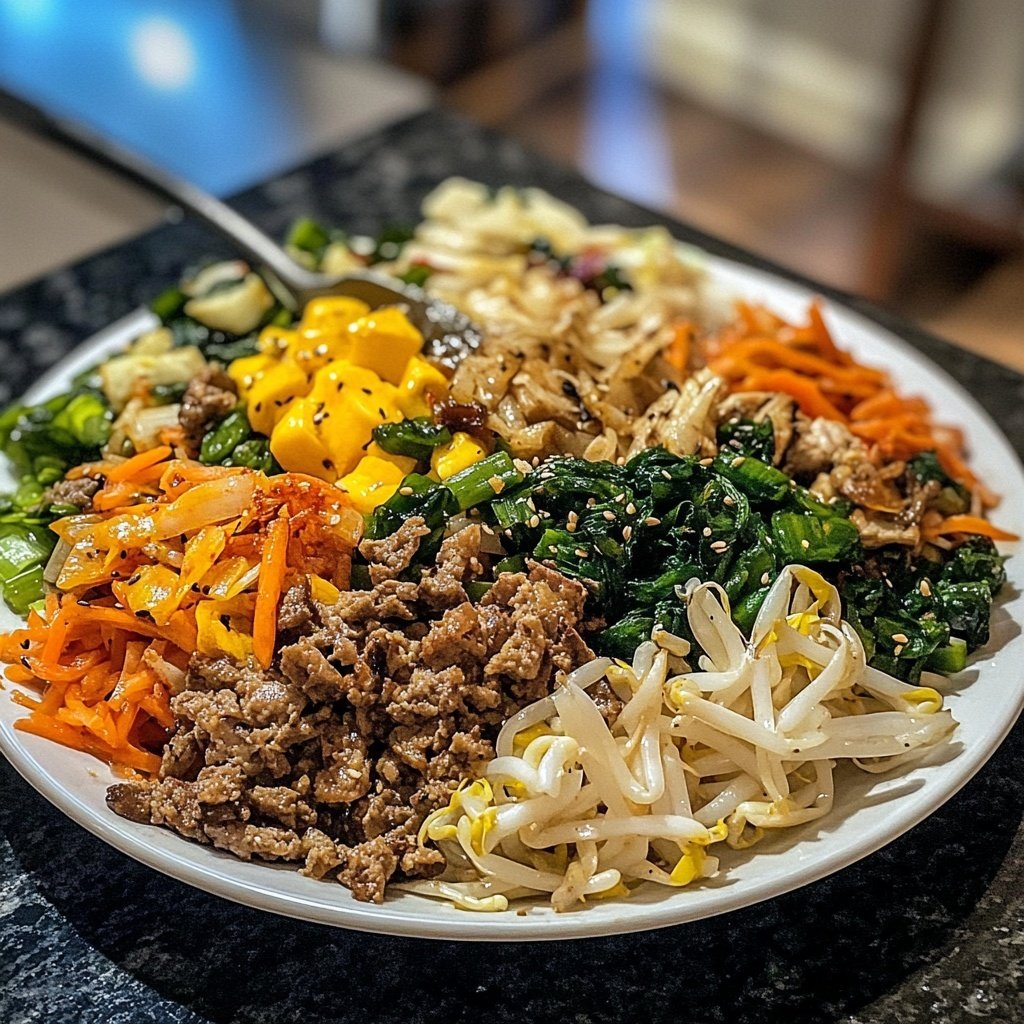
In a large bowl, place a serving of rice at the bottom. Arrange the sautéed vegetables, blanched spinach, bean sprouts, and cooked meat on top. Place the fried egg in the center and drizzle with gochujang and sesame oil. Garnish with sesame seeds.
Serve
Mix everything together before eating. Enjoy your delicious homemade Korean Bibimbap!
Enjoy your meal!
Pro Tips
- Feel free to customize your Bibimbap with different vegetables and proteins to suit your taste.
Storing and Reheating Leftovers
If you have leftovers of your Korean Bibimbap, storing them properly is key to maintaining their taste and texture. Keep the components separate if possible; store the rice, vegetables, and protein in airtight containers. This way, you can reheat them without compromising the freshness of each ingredient. It's recommended to consume leftovers within 2-3 days for optimum flavor and safety.
When you're ready to enjoy your leftovers, reheat them in a skillet over medium heat, adding a dash of water to help steam the rice and vegetables. This method keeps the Bibimbap moist and delicious. Alternatively, you can use a microwave, but be sure to cover the dish to prevent drying out. Add a freshly fried egg on top for that authentic Bibimbap experience!
Exploring the History of Bibimbap
Bibimbap has a rich history that reflects the diversity of Korean culture and cuisine. It is believed to have originated from a royal dish served to kings, symbolizing harmony and balance through its colorful ingredients. Traditionally, Bibimbap was prepared during celebrations and special occasions, showcasing the culinary expertise of the cook and the freshness of seasonal produce.
Today, Bibimbap has evolved into a beloved comfort food, enjoyed by people from all walks of life. Its adaptability means it can be found in street food stalls, restaurants, and homes across Korea and around the world. Each region in Korea has its own variation, highlighting local ingredients and flavors, making it a truly unique dish that connects people through its history and shared enjoyment.
Questions About Recipes
→ Can I make Bibimbap vegetarian?
Absolutely! You can skip the meat and add more vegetables or tofu for protein.
→ What can I substitute for gochujang?
You can use sriracha or a mixture of red pepper flakes and miso paste as a substitute.
→ How can I store leftovers?
Store the components separately in airtight containers in the fridge for up to 3 days.
→ Can I use brown rice instead of white rice?
Yes, brown rice works well for a healthier option, but it may require a longer cooking time.
Korean Bibimbap
Created by: Serena Whitaker
Recipe Type: Everyday World Food Favorites
Skill Level: Intermediate
Final Quantity: 4 servings
What You'll Need
For the Bibimbap
- 2 cups cooked rice
- 1 cup spinach, blanched
- 1 cup bean sprouts, blanched
- 1 carrot, julienned
- 1 zucchini, julienned
- 1 cup shiitake mushrooms, sliced
- 4 eggs
- 4 tablespoons gochujang (Korean chili paste)
- 1 tablespoon sesame oil
- Salt to taste
- Sesame seeds for garnish
For the Meat (optional)
- 200g ground beef or chicken
- 2 tablespoons soy sauce
- 1 tablespoon sugar
- 1 teaspoon garlic, minced
- 1 teaspoon sesame oil
How-To Steps
In a pan, heat sesame oil over medium heat. Add minced garlic and sauté until fragrant. Add the ground meat, soy sauce, and sugar. Cook until the meat is browned and cooked through. Set aside.
In the same pan, add a little more sesame oil if needed. Sauté the zucchini, carrot, and shiitake mushrooms separately until tender. Season with salt. Set each vegetable aside.
In a separate pan, fry the eggs sunny side up until the whites are set but the yolks are still runny.
In a large bowl, place a serving of rice at the bottom. Arrange the sautéed vegetables, blanched spinach, bean sprouts, and cooked meat on top. Place the fried egg in the center and drizzle with gochujang and sesame oil. Garnish with sesame seeds.
Mix everything together before eating. Enjoy your delicious homemade Korean Bibimbap!
Extra Tips
- Feel free to customize your Bibimbap with different vegetables and proteins to suit your taste.
Nutritional Breakdown (Per Serving)
- Calories: 500 kcal
- Total Fat: 20g
- Saturated Fat: 5g
- Cholesterol: 210mg
- Sodium: 900mg
- Total Carbohydrates: 60g
- Dietary Fiber: 5g
- Sugars: 5g
- Protein: 20g